
VLSI Certification Course
60-Days Certification Course
For VLSI Design
1 Year Course Access
40+ Hours of Live Class
Live Mentorship by Experts
2 Capstone Projects
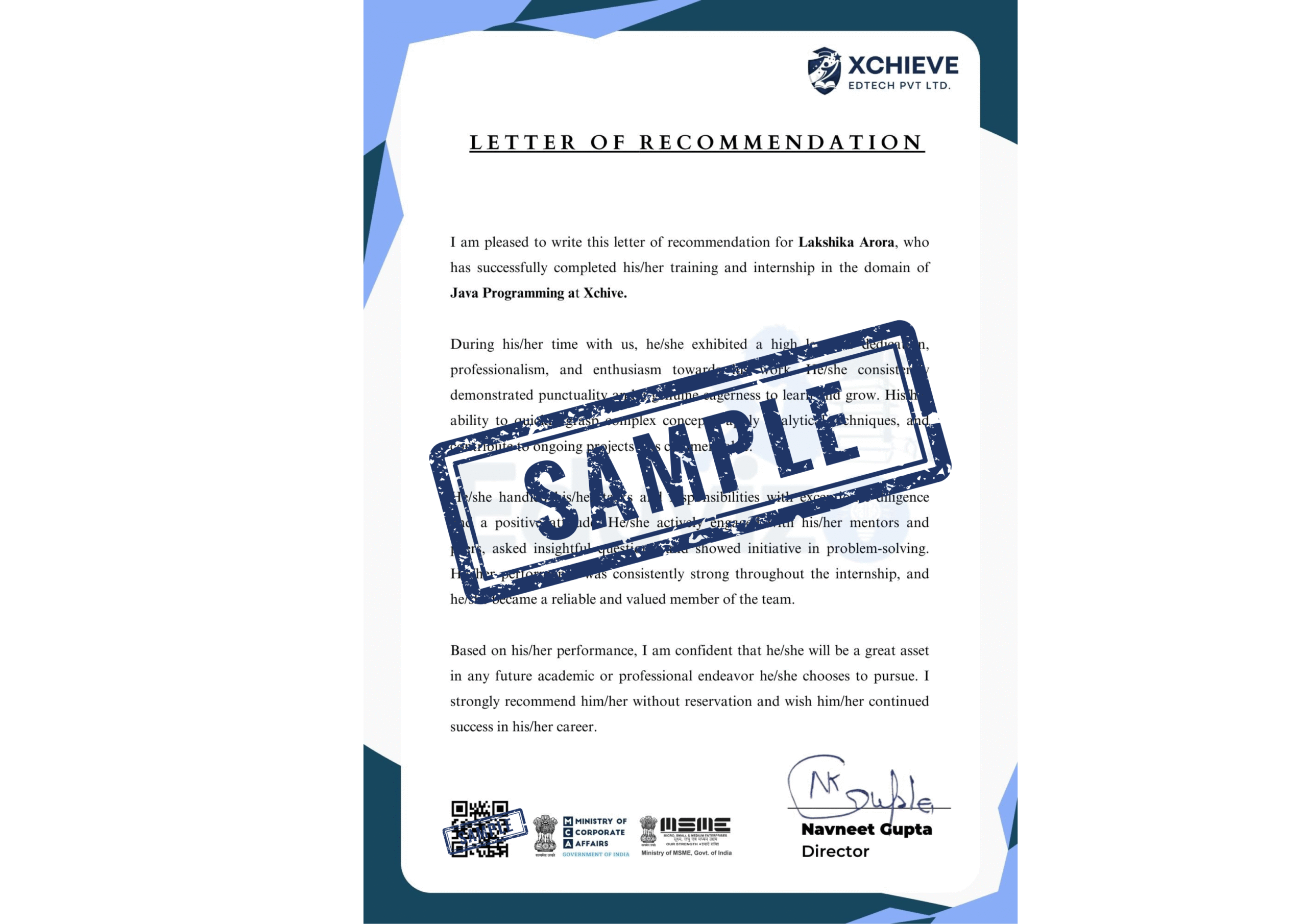
Internship Certificate
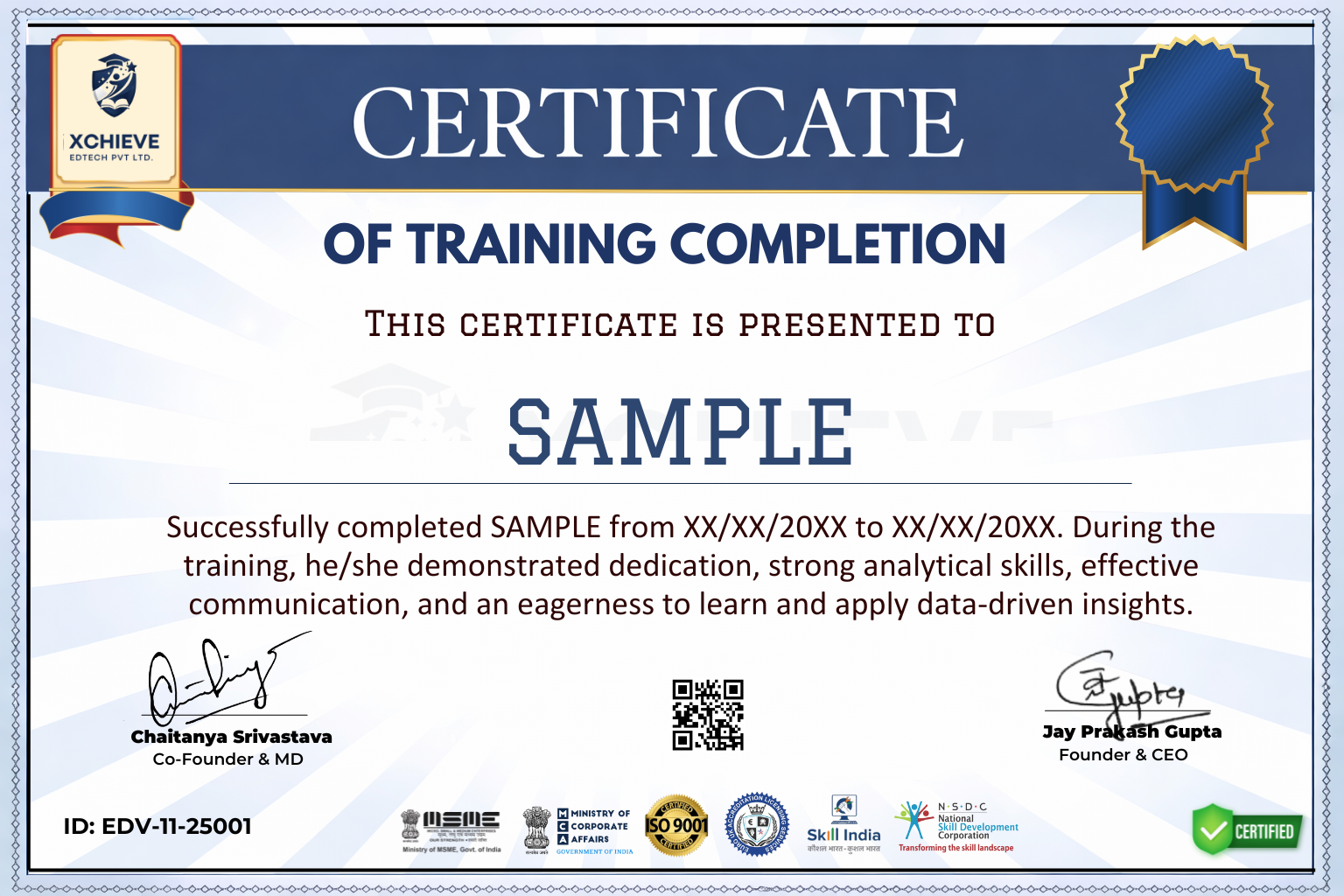
Course Completion Certificate
★★★★★
What You'll Learn?
▲
- Understand VLSI design fundamentals and chip architecture
- Write clean and efficient Verilog / VHDL hardware description code
- Design combinational and sequential digital circuits
- Apply CMOS logic design and layout principles
- Perform simulation, synthesis, and timing analysis
- Use industry EDA tools for real-world chip design
Requirements
▼
- Basic knowledge of digital electronics
- Interest in chip design and semiconductor technology
- No prior VLSI experience required
- Willingness to practice on simulation tools regularly
Who is this course for?
▼
- ECE / EEE students who want to enter the semiconductor industry
- Engineers aspiring to roles in chip design and verification
- Professionals transitioning to VLSI from related engineering fields
- Students preparing for placements in top semiconductor companies
- Anyone interested in ASIC, FPGA, or SoC design
Description
This VLSI course provides a strong foundation in digital logic design and chip architecture. It covers core topics like CMOS technology, Verilog/VHDL coding, combinational and sequential circuits, synthesis, and timing closure. The course also introduces industry-standard EDA tools and SoC design flows, preparing learners for real-world chip design roles and career opportunities in the semiconductor industry.
VLSI Course Syllabus
This course covers VLSI fundamentals including digital logic, CMOS circuits, and hardware description languages. It introduces RTL design, simulation, synthesis, and physical design concepts. You will also learn to use EDA tools like Cadence and Synopsys for real-world chip design applications.
Module 1: Introduction to VLSI
▲
- What is VLSI?
- History and Evolution of Integrated Circuits
- VLSI Design Flow Overview
- Introduction to EDA Tools
Module 2: Digital Logic Design
▼
- Boolean Algebra & Logic Gates
- Combinational Circuits (MUX, Adders, Encoders)
- Sequential Circuits (Flip-Flops, Registers)
- Finite State Machines (FSM)
Module 3: Verilog / VHDL HDL Coding
▼
- Introduction to Verilog HDL
- Data Types and Operators
- Behavioral, Dataflow & Structural Modeling
- Testbench Writing and Simulation
Module 4 – CMOS Circuit Design
▼
- MOSFET Operation: Understanding transistor characteristics and regions of operation.
- CMOS Logic Gates: Design of inverters, NAND, NOR, and complex gates using CMOS.
- Static and Dynamic CMOS: Techniques for low-power and high-speed circuit design.
- Power Analysis Tools: Tools and methods for measuring power in CMOS circuits.
Module 5: RTL Design & Synthesis
▼
- RTL Coding Guidelines
- Logic Synthesis with Synopsys Design Compiler
- Timing Constraints (SDC)
- Gate-Level Netlist and Static Timing Analysis
Module 6: Physical Design (Place & Route)
▼
- Floorplanning and Power Planning
- Placement and Clock Tree Synthesis (CTS)
- Routing and DRC/LVS Verification
- Signoff and Tape-out Flow
Module 7: FPGA Design & SoC Introduction
▼
- FPGA Architecture and Xilinx/Vivado Basics
- Implementing Designs on FPGA
- Introduction to SoC and IP Integration
- Industry Project: RISC Processor Design
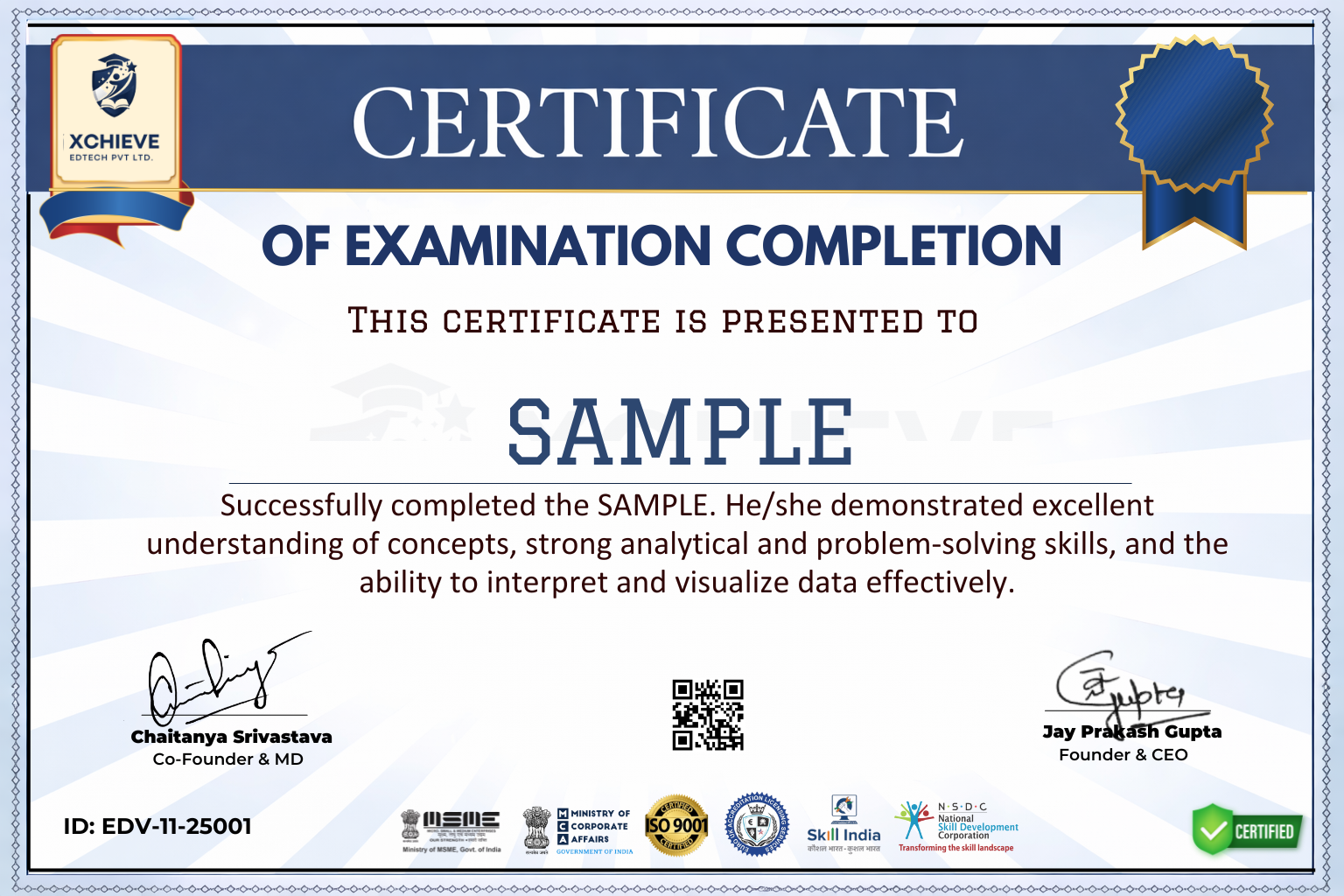
🎓 Certificates You'll Earn After Completing the VLSI Course
- Course Completion Certificate: Acknowledge your hard work and commitment with a certificate from Xchieve upon successfully finishing the VLSI program.
- Internship Certificate: After completing a hands-on internship, you will receive an official certificate from Xchieve and top-tier universities.
- Industry Certificate: Earn a prestigious industry certificate from well-known semiconductor companies as a recognition of your practical expertise.
Certification Course Fee
Self Placed Program
₹5,999 /Course
You'll Get Access to:
- Live Mentorship
- Project-Based Learning
- Industry based Projects
- Industry graded Certificates
- Doubt Clearing Sessions
- Quiz & Assessments
- Personal Dashboard
Save 44%
Mentor-led Program
Get real time assistance
₹8,999
Enroll now and save with early bird discounts!
You'll Get Access to:
- Aptitude Grooming
- Specific Resume Building
- Personality Development
- Group Discussion Session
- Optimize Your LinkedIn
- Access to our Career Portal
- AI Mock Interview Portal
Save 44%
Career Edge
Get Job ready
₹11,999
Enroll now to enjoy extra early bird discounts!
You'll Get Access to:
- Aptitude Grooming
- Specific Resume Building
- Personality Development
- Group Discussion Session
- Placement Assistance
- Optimize Your LinkedIn
- Access to our Career Portal
- AI Mock Interview Portal